
April 24, 2026
Corporate Conference Planner for High-Impact Business Conferences
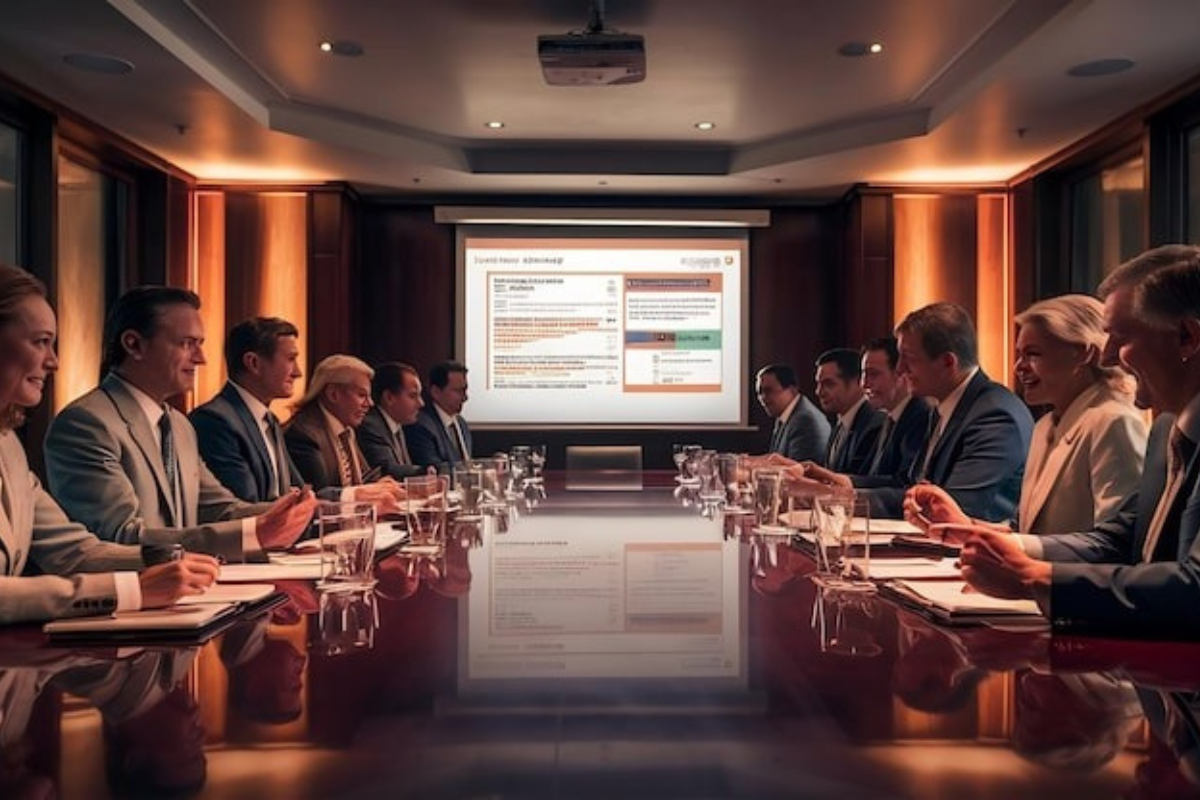
A successful business conference doesn’t happen by chance; it requires strategy, coordination, and attention to detail. That’s where a corporate conference planner plays a key role. From shaping the event concept to managing logistics, a planner ensures every part of the conference delivers value and leaves a lasting impression on attendees.
In today’s competitive business environment, conferences are more than just meetings. They are opportunities to connect, share ideas, and build strong professional relationships. With the right planning approach, companies can turn a simple gathering into a powerful business experience.
The Importance of Structured Conference Planning
A well-structured conference creates clarity for both organizers and attendees. It helps keep everything on track, from scheduling sessions to managing speakers and ensuring smooth transitions between activities.
Without proper planning, even small issues can grow into major problems. Delays, technical glitches, or poor communication can impact the overall experience. A clear structure reduces these risks and allows businesses to focus on their goals, whether it’s networking, training, or brand positioning.
Planning also ensures that every detail aligns with the purpose of the event. From venue selection to content flow, everything should support the main objective of the conference.
Coordination That Drives Smooth Execution
Coordination is the backbone of any successful conference. It involves managing multiple moving parts at once: vendors, speakers, attendees, and internal teams.
A professional approach ensures that each element works together seamlessly. This includes:
Scheduling sessions and managing timelines
- Coordinating with vendors for catering, AV, and setup
- Handling guest registrations and communication
- Managing on-site operations during the event
When coordination is handled effectively, the event feels organized and stress-free for everyone involved. This is one of the key reasons businesses rely on experienced conference event planning companies to manage their events.
Logistics That Make a Real Difference
Logistics often go unnoticed when done right, but they play a huge role in the success of a conference. From seating arrangements to sound systems, every detail affects the attendee experience.
Good logistics planning ensures:
- Easy navigation within the venue
- Clear signage and directions
- Comfortable seating and proper spacing
- Reliable technical support for presentations
It also includes contingency planning. Having backup solutions for technical or scheduling issues helps avoid disruptions and keeps the event running smoothly.
Companies like Global Event Services LLC understand the importance of these details and focus on delivering seamless event experiences through careful planning and execution.
Execution Quality and Professional Impact
Execution is where planning comes to life. Even the best ideas need proper delivery to create impact.
A high-quality execution ensures that:
- Sessions start and end on time
- Speakers are well-prepared and supported
- Attendees stay engaged throughout the event
- Transitions between activities feel smooth and natural
Professional execution reflects positively on the company hosting the event. It builds trust, enhances brand image, and leaves attendees with a strong impression.
Working with experienced conference event planning companies helps maintain this level of quality, as they bring proven systems and expertise to the table.
The Value of Professional Event Support
Handling a corporate conference internally can be overwhelming. It requires time, resources, and specialized skills. This is where professional planners add real value.
A skilled corporate event management not only manages logistics but also brings fresh ideas and strategic insights. They understand industry trends, audience expectations, and the small details that make events memorable.
With support from experts like Global Event Services LLC, businesses can focus on their core objectives while leaving the planning and execution in capable hands.
Real-World Benefits of Effective Conference Planning
Well-planned conferences deliver measurable results. They create opportunities for networking, learning, and collaboration.
- Some key benefits include:
- Stronger business relationships
- Increased brand visibility
- Better audience engagement
- Improved knowledge sharing
- Positive attendee feedback
A professionally managed conference also saves time and reduces stress for internal teams. Instead of dealing with last-minute issues, they can focus on meaningful interactions and business outcomes.
Creating Memorable Business Experiences
A conference should do more than just share information—it should create an experience. From the moment attendees arrive to the final session, every touchpoint matters.
Thoughtful planning helps create moments that stand out, such as:
- Engaging keynote sessions
- Interactive workshops
- Smooth networking opportunities
- Comfortable and well-designed spaces
These elements make the event more enjoyable and impactful, increasing the chances of long-term success.
Frequently Asked Questions
01
Clear planning benefits for corporate conferences?
It ensures smooth execution, better coordination, and a more professional experience for attendees.
02
Role of professional planners in business events?
They manage logistics, coordination, and execution while helping improve overall event quality.
03
Best way to handle conference logistics effectively?
Detailed planning, vendor coordination, and backup strategies help manage logistics smoothly.
04
Common challenges in conference execution?
Scheduling delays, technical issues, and communication gaps are some common challenges.
05
Ideal approach to improve attendee engagement?
Interactive sessions, clear schedules, and comfortable environments help keep attendees engaged.
06
Value of hiring external event planning support?
It saves time, reduces stress, and ensures a well-organized and impactful conference.
Recent Blogs
August 21, 2026
August 1, 2026
Why Big Companies Need Enterprise Meeting Management