March 6, 2026
Conference Planning That Brings People and Purpose Together
Conferences have always been about more than gathering people in a room. At their best, they create moments of clarity, spark collaboration, and help organizations move forward with shared intent. Thoughtful planning is what turns a simple event into a meaningful experience, one that aligns people, goals, and outcomes in ways that last well beyond the closing session.
Below, we explore how intentional conference planning focuses on people and purpose, not just logistics, and why that approach matters more than ever.
1. What Makes a Conference Truly Meaningful?
A meaningful conference doesn’t happen by accident. While venues, schedules, and technology matter, the real value lies in how people feel, connect, and engage throughout the event.
When attendees arrive, they bring expectations, questions, and goals of their own. A well-planned conference anticipates these needs and creates space for learning, discussion, and shared understanding. It connects individual roles to the larger mission of the organization and gives participants a clear sense of why they are there.
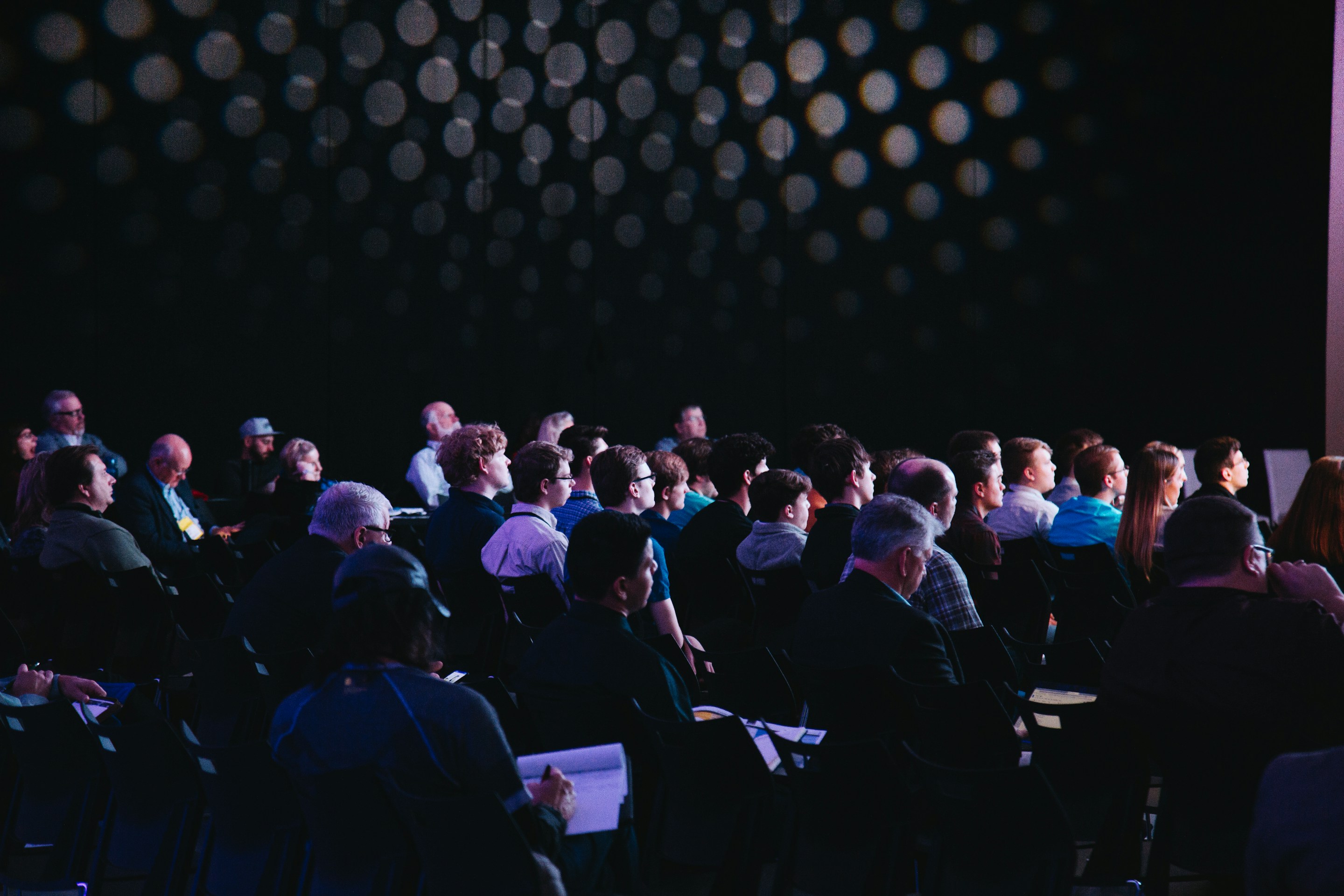
Meaningful conferences also encourage interaction rather than passive participation. Through thoughtful session design, pacing, and opportunities to connect, events can foster trust and collaboration. The result is an experience that feels purposeful—not rushed, fragmented, or overwhelming.
2. Why Planning With Purpose Matters
Purpose-driven planning starts with clear intentions. What should attendees walk away knowing, feeling, or doing differently? When these questions guide decisions, every element of the event supports a larger goal.
This is where conference planning services play a critical role. Purposeful planning helps align organizational objectives with attendee expectations, ensuring that content, timing, and format work together rather than compete for attention. Instead of cramming too much into a limited agenda, planners help prioritize what truly matters.
Planning with purpose also reduces confusion. Clear communication before the event sets expectations, while structured agendas help attendees navigate the experience with confidence. When people understand how sessions connect to the overall mission, engagement naturally increases.
3. How Professional Support Shapes the Experience
Behind every smooth conference is a framework designed to support both strategy and humanity. Professional planning support touches many areas that directly influence how attendees experience the event.
Agenda flow and session timing determine energy levels and focus. Well-spaced sessions with intentional breaks allow people to absorb information and connect with others, rather than rushing from room to room.
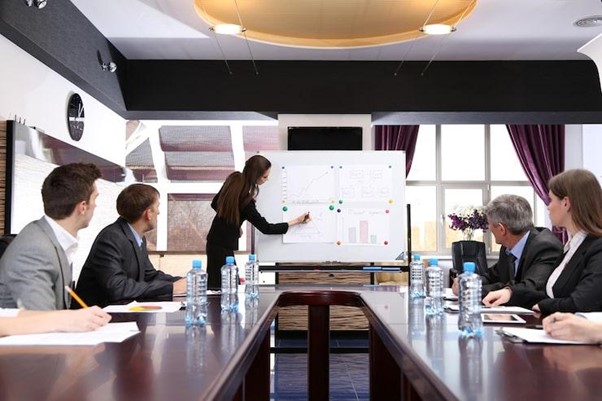
Speaker and content coordination ensure that messages are consistent and relevant. When speakers understand the audience and the event’s goals, their contributions feel cohesive rather than disconnected.
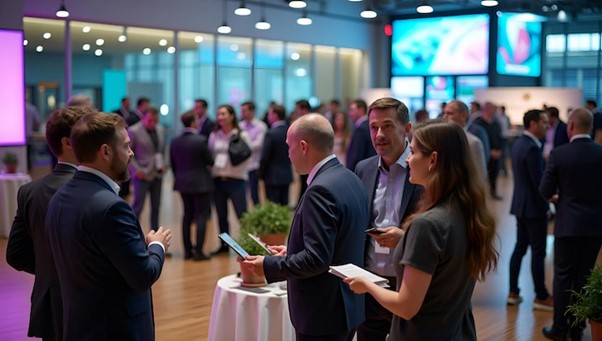
The attendee journey, from registration to closing remarks, is another critical element. Engagement points such as networking opportunities, interactive sessions, and clear signage all contribute to a sense of ease and inclusion. Organizations often partner with meeting management companies to design these experiences thoughtfully, freeing internal teams to focus on relationships and outcomes rather than logistics.
4. The Role of Experience in Managing Complexity
Conferences are complex by nature. Multiple stakeholders, tight timelines, and high expectations can quickly create pressure for internal teams. Experience is what allows planning teams to manage this complexity calmly and efficiently.
Seasoned planners anticipate challenges before they arise. They understand how changes in one area—such as speaker availability or session length—can affect the entire program. This foresight helps maintain balance and prevents last-minute disruptions.
Experience also brings perspective. Having supported events of varying sizes and formats, professional teams can recommend approaches that have proven effective while adapting them to each organization’s unique culture. Companies like Global Event Services LLC are often brought in not just to execute tasks but to provide guidance that helps events stay focused, flexible, and aligned with their purpose.
5. Supporting Conferences Before, During, and After
Effective conference planning spans the entire event lifecycle, ensuring continuity and long-term value.
Pre-event preparation lays the foundation. This phase includes defining objectives, shaping agendas, coordinating speakers, and communicating clearly with attendees. Strong preparation reduces uncertainty and builds anticipation.
On-site coordination is where planning meets reality. Experienced teams manage logistics quietly in the background, allowing speakers and attendees to stay focused on the experience. When issues arise, they are handled quickly and professionally, minimizing disruption.
Post-event evaluation and improvement close the loop. Gathering feedback, reviewing outcomes, and identifying lessons learned help organizations refine future events. This phase transforms a single conference into an ongoing learning opportunity, strengthening long-term strategy and engagement.
Organizations that work with experienced partners, such as Global Event Services LLC. often find that this end-to-end support turns events into valuable milestones rather than isolated moments.
Frequently Asked Questions
1. What defines effective conference planning today?
Effective planning today balances strategy and empathy. It aligns clear goals with attendee needs, prioritizes meaningful engagement, and remains flexible in the face of change.
2. How does planning impact attendee engagement?
Thoughtful planning creates structure without rigidity. When sessions flow well and expectations are clear, attendees feel more comfortable participating, asking questions, and connecting with others.
3. Why is experience important when managing conferences?
Experience allows planners to anticipate challenges, coordinate multiple stakeholders, and adapt quickly. This reduces stress for internal teams and keeps the event aligned with its goals.
4. How do planning teams support events on-site?
On-site support includes managing schedules, coordinating speakers, addressing issues discreetly, and ensuring that the attendee experience remains smooth from start to finish.
5. What should organizations look for in a conference planning partner?
Organizations should look for partners who listen well, understand their goals, communicate clearly, and bring proven experience without overshadowing the organization’s own vision.
Recent Blogs