
Category: Corporate Event Planner

July 12, 2026
What Makes the Best Corporate Event Management Company Stand Out?
Every corporate event has its own purpose. It can range from building relationships with clients, uniting employees into a team, presenting a new product, to organizing a conference for the industry. Despite various objectives, there is one point in common: the successful event will never occur by chance. This can be achieved through professional planning, perfect communication, and flawless execution.
However, not all event management companies share the same philosophy. Some concentrate only on logistics, but there are those who take responsibility for every step of the event process. This is what makes the best corporate event management company.
How to Identify the Best Corporate Event Management Company?
Here are the factors you must look out for or weigh in on while searching for the best corporate event management company.
They Begin with Business Goals, Not Just Event Planning
What makes an excellent event is the careful planning that happens well before vendors are hired or invites have been issued. What makes it great is knowing why the event is even planned in the first place.
A professional event management team will take time to understand what the client expects, who the attendees are, what the event is meant to achieve, and the results they hope to get. Thus, it is not about creating a package but a strategy that works with what the company envisions.
Every Detail Is Planned with Precision
There are many factors at play when organizing corporate events. Scheduling of the venue, management of guests, scheduling of production activities, managing audio-visual aspects, transportation, registering people for the event, catering, and scheduling of speakers have to run concurrently without any disruption.
Good event management firms know that any one little thing overlooked may ruin the entire event.
That is why they plan timelines, allocate responsibilities, monitor the progress of operations, and make plans to cater for any eventualities before they occur. This ensures that things run smoothly for both the client and the participants.
Communication Remains Clear Throughout the Project
One of the major causes of stress for event projects is ineffective communication.
A good event management firm ensures constant communication with clients through all stages of project planning.
What is even more important, however, communication does not involve only the client. It is necessary to communicate with suppliers, venue employees, producers, speakers, sponsors, and other people involved.
The key to efficiency lies in having everybody working from one sheet of paper.
Flexibility Makes the Difference During Live Events
Even the most elaborate plans can encounter some unexpected changes. The weather, delays in transportation, unforeseen scheduling changes, technical problems, or guests’ special requests may show up unexpectedly. The difference between experienced professionals and amateur planners is in their ability to react promptly without disturbing the course of the event.
Rather than let the unexpected problem cause some big trouble, experienced event managers react promptly and use contingency plans to keep things running.
Sometimes the guests don’t even know about the problem at all. And this is how it should be done.
They Build Strong Vendor Relationships
Corporate events involve coordination between various service providers.
From audio-visual productions and staging, catering services, decor, transport, photography, entertainment, and facility services, every service provider plays a role in creating the end product.
Experienced event management firms develop long-term professional relationships with reputable service providers. This usually leads to improved coordination, quality service delivery, faster resolution of issues, and effective project management.
Clients have no need to coordinate different service providers individually; all that is needed is one team to handle the whole process.
Creative Ideas Always Support the Event Objective
No doubt, creativity plays a significant role in adding value to business events. Nevertheless, creativity, which is not focused on achieving certain objectives, can become a distraction at such events.
The professional event planner knows well enough that the concept of creativity must support the attendee experience rather than compete with it.
When introducing the branded environment, interactive events, staging, networking areas, or other participant experience elements, everything must support the general message.
Experience Helps Anticipate Challenges
Organizing many successful business events yields insights that one could not glean through checklists alone. Seasoned event planners can foresee any possible problems. They know about venue capabilities, production needs, registration processes, guest movement, speaker logistics, and scheduling challenges.
They are able to make quick and appropriate decisions because they have organized such events previously. All this helps build confidence in organizing any event.
Attendee Experience Remains the Top Priority
Corporate events are finally meant for people. Every interaction of the attendees will affect how the event will be remembered. The registration process, arrival, seating arrangements, presentations, networking opportunities, hospitality, and the flow of the event all go into making the event experience.
A good corporate event management firm knows that the success of an event can be gauged by both its execution and the satisfaction of the attendees.
Conclusion
Corporate events go beyond mere gatherings and festivities. Corporate events demonstrate professionalism and the values of the organization in terms of creating an experience for the participants.
Those organizations that continuously set themselves apart from others are those that manage to create a seamless combination of strategies, expertise, creativity, communications, and execution. The reason why they succeed in doing so is their ability to first understand their business objectives and then organize the whole corporate event around those objectives.
Selecting a reliable event management company is always a great investment in the success of the event itself, as well as the image of the company itself.
Ready to Plan Your Next Corporate Event?
It does not matter whether you are hosting a conference, a leadership gathering, a product launch, or a company celebration;n the right planning partner can really make a world of difference. At Global Event Services, we strive to provide you with planning, coordination, and implementation services that will help you organize successful corporate events.
Frequently Asked Questions
01
What does a corporation need to consider when choosing an event management company?
The company must consider experience, planning abilities, communication process, coordination with vendors, budgeting, and event alignment with company goals.
02
Why is strategic planning crucial for corporate events?
Strategic planning guarantees that all activities done at the event will be aimed at helping the company achieve its goals, making the event more efficient.
03
How do event management companies deal with unexpected events?
A professional team creates contingency plans, monitors events, and deals with changes as soon as possible with minimal interference.
04
Can an event management company control event costs?
Yes, a professional planner will be able to manage budgets effectively, negotiate with vendors, prioritize expenses, and come up with solutions to save money.
05
Why is attendee experience crucial during corporate events?
Positive attendee experience contributes to their engagement and good perception of the company; therefore, it is important for event success.
Recent Blogs
September 12, 2026
September 5, 2026
Why Your Business Needs a Corporate Event Planning Service
August 28, 2026
Why Every Business Needs a Corporate Event Organizer

Start Building the Leadership Your Organization Deserves!

July 9, 2026
Meeting Management Companies: A Smarter Approach to Corporate Event Planning
Every business meeting aims to achieve something. Whether it is a planning meeting for executives, a sales conference for employees, a leadership summit, or an interactive client meeting, each gathering is designed to drive decisions, strengthen collaboration, and achieve specific business objectives.
Each meeting is complicated, regardless of how big or small it is. Therefore, each meeting requires proper planning and efficient execution. Most businesses today prefer to opt for a professional meeting management company so that they can focus on the goal of the meeting.
A professional approach to meeting management entails much more than just venue bookings and registrations. In fact, the right approach involves planning meetings in such a manner that it leaves a long-lasting impact on everyone concerned. For this, you need to shortlist the best meeting management companies.
Why Do Meeting Management Companies Matter in Today’s Corporate World?
Corporate meetings have changed over time in many ways. Companies have begun to demand results from their meetings and events. It can be in the form of knowledge transfer to the staff, better client relations, introduction of new strategies, or encouragement of cooperation between teams.
All these cannot be achieved through a simple scheduling of the meeting agenda. The success of a meeting also depends on the seamless synchronization of venue, room setup, transportation, accommodations, and audiovisual setup.
If you have a well-defined plan for your meeting, you will eliminate uncertainties. This will allow you to concentrate on important discussions and achievements while experienced professionals do the operational part of the job.
To plan your meeting efficiently, you can partner with meeting management companies. Here is how they assist you in planning a successful event.
A Well-Planned Meeting Begins with Clear Objectives
You need to define the objective of your meeting to ensure the successful execution of this professional gathering. Your objective should be built around the following factors:
- Format of the event
- Venue location
- Event budget
- Meeting schedule
- AV equipment
- Technology support
- Experience of guests
Managing Logistics Without Missing the Small Details
Corporate meetings should be well coordinated for the best outcome. Any simple scheduling error or communication failure leads to additional complications for both attendees and coordinators of such gatherings.
Thus, professional meeting management companies pay heed to the following elements of the event:
Venue Coordination
The selection of a good meeting venue takes into account a lot more factors than just picking a good-looking place. The right meeting space, accommodation possibilities, technical support, catering, and overall organization of attendance are part of a successful event experience.
Attendance Registration
A smooth attendance registration process leaves a good first impression on participants. Gathering accurate data about participants, sending confirmations, and checking in are important steps to start any meeting in an orderly manner.
Travel & Accommodation
Organizing travel arrangements and accommodations for regional or national meetings is an important part of event planning.
Audio-Visual Assistance
Technical support is very important at meetings and presentations. This allows for keeping all presentations and panels within the scheduled time limits.
Coordinating Meetings at Your Venue
Although lots of planning takes place beforehand, meetings need ongoing management during the course of the event. On-the-ground coordination guarantees that your schedule runs smoothly and that any unforeseen circumstances are promptly addressed.
Creating Better Experiences for Every Attendee
The way guests feel at an event is something that they will remember just as well as the talks. A planned meeting will instill confidence among guests because they will know what to do and when. Many little things like the following matter to the attendees:
- Clear way-finding
- Fast check-ins
- Comfortable meetings
- Easy-to-find event-related information
- Timely breaks
- Attentive event staff
Reasons for Valuing Professional Coordination in Business Meetings
Most organizations start by managing their own meetings. While it is relatively easy to manage small meetings, large corporate meetings will need significant amounts of coordination among various parties involved.
Professional meeting management firms can streamline processes, thereby reducing administrative hassles while ensuring consistency in the process of planning.
Some of the advantages that businesses get from hiring meeting management companies are:
- Effective project planning timeline
- Efficient coordination among several vendors
- Enhanced communication among different stakeholders
- Avoidance of scheduling issues
- Budgets kept in line with the event objectives
- Effective handling of any unexpected issues
Significance of Post-Meeting Evaluation
The meeting is not over once the participants leave the premises. The post-meeting evaluation can provide useful information to be used for the future benefit of meetings and the development of strategies.
Areas that require evaluation are:
- Participants’ Feedback
- Budget Evaluation
- Operations Evaluation
- Goal Evaluation
Conclusion
Business meetings are not just events in an individual’s schedule. They give chances to exchange thoughts, form relationships, honor successes, and help organizations advance.
Proper planning involves paying close attention to details, communicating effectively beforehand, managing logistics, and being able to handle any changes without difficulty. Each successful meeting is preceded by careful planning and not last-minute organizing.
Through proper planning, companies can ensure that their meetings will be useful for them and that participants will be able to concentrate on what really matters in the process.
Partner with Experts for Your Next Corporate Meeting
Any good meeting always begins with well-planned preparation and ends with positive results. If your company is searching for a reliable partner who can take care of all the arrangements and details of your events, Global Events LLC invites you to organize your meetings in a professional way with our help.
Frequently Asked Questions
01
What is included in meeting management?
Meeting management usually encompasses venue coordination, registration management, travel coordination, accommodation management, scheduling, audiovisual coordination, event management at the venue, and post-meeting reports.
02
Why should companies use professional meeting management?
Businesses should hire professionals to organize the event properly, reduce administrative efforts, coordinate vendors effectively, and create a pleasant experience for participants.
03
What types of corporate meetings can professional meeting management firms handle?
They can handle executive meetings, regional conferences, annual corporate meetings, and multi-day business meetings.
04
How long before corporate meetings should one start planning?
Depending on the scale of the event, planning will take from several days to several months to plan the meeting properly.
05
What makes a corporate meeting successful?
Clear objectives, organized logistics, effective communication, reliable vendor coordination, detailed scheduling, and a positive attendee experience cumulatively deliver successful meetings.
Recent Blogs
September 12, 2026
Why Businesses Hire Business Event Management Companies
September 5, 2026
Why Your Business Needs a Corporate Event Planning Service
August 28, 2026
Why Every Business Needs a Corporate Event Organizer
Start Building the Leadership Your Organization Deserves!

June 5, 2026
How Corporate Event Planners Help Businesses?
You have a big event coming up. It can be a company conference, an annual convention, or a leadership summit. You know what you want it to feel like. You just are not sure how to get there.
That is exactly where corporate event planners come in. They are the ones who organize and manage different events, such as product launches, conferences, company meetings, etc., for your organization. They take charge of the planning and execution.
To help you find the best planner suited to your event requirements, we have prepared a guide for you. Keep reading to know more.
Who are Corporate Event Planners?
They are professionals who manage the end-to-end process of planning, coordinating, and executing business events. This includes conferences, conventions, sales meetings, board retreats, trade shows, and everything in between.
Their role is to ensure events run smoothly. They put up events that reflect the company’s goals and brand image. They also ensure that the events create a positive experience for attendees while staying within budget and timeline requirements.
Here are the aspects that a skilled event planner manages for your organization:
- Site selection and venue negotiation
- Budget planning and cost control
- Vendor coordination and contract management
- Housing and attendee registration
- On-site execution and logistics
- Speaker and entertainment sourcing
- Catering and banquet management
Why Companies Work with Corporate Event Planners?
Most businesses do not plan events every day. That means every new event comes with a learning curve. Corporate event planners have already climbed that curve many times over. They know the industry. They know the vendors. They know what to watch out for.
Here is why you must hire professional planners for your events:
They Save You Time
Time is your most limited resource. When your internal team handles event logistics, they are pulled away from their actual work. Due to this, they miss their deadlines, and details get lost. Hiring a professional planner takes that weight off your team’s shoulders.
They Save You Money
Contrary to popular belief, an experienced planner will save you money. This is because they have long-term relationships with vendors and venues. The established relationship means you will get better rates and better terms. Also, they know how to prevent budget leaks during event planning, which saves you a lot of money.
They Reduce Risk
When something goes wrong at an event, it reflects on your organization. Issues like miscalculation in seating arrangement, last-minute cancellation of the speaker, and catering delay are pretty common in events.
Planners anticipate these problems before they happen. Even if something unexpected happens, after planning everything, professionals will take care of that without disrupting anyone.
They Bring Industry Connections
A well-connected planner already knows who to call. That saves you weeks of research and guesswork. They have access to the following resources
- A nationally recognized keynote speaker related to your industry.
- A production company with quality AV execution.
- A hotel that offers group rates and block booking.
Experience Across Event Types
For better outcomes, you must look for a planner who has experience working with different types of events and varied industries. Anyone who has nonprofit conventions
Look for a planner who has worked across different industries and event formats. Government conferences, nonprofit conventions, direct selling summits, and sporting events all have different needs. A planner with broad experience adapts more easily.
Transparent Communication
You should always know what is happening with your event. An accountable planner will keep you informed about all the progress. Also, a skilled professional would respond quickly and never keep you hanging.
Full-Service Capabilities
Some planners handle only part of the process. Look for one that can manage everything from site selection to on-site execution. Fewer handoffs mean fewer things fall through the cracks.
Strong Vendor Relationships
Ask who they work with and how long those relationships have been in place. A planner with established vendor partnerships is the one who is considered reliable by industry players.
Verifiable Results
You must also check for industry accreditations, long-term partnerships, and client testimonials for the planner. These factors are a trademark for anyone who delivers on their commitment.
How the Planning Process Actually Works?
Understanding the planning process helps you know what to expect when you work with a corporate event planner.
Step 1: Goal Setting
The first conversation is about what you want to achieve, as goal identification shapes everything else. Here are the questions you need to ask yourself:
- Are you launching a product?
- Are you recognizing top performers?
- Are you training a new team?
Step 2: Site Selection
Once the goals are clear, professionals get going with venue selection. The choice of venue depends on the location, rate, capacity, and amenities of the venue. A good planner will bring you multiple options.
Step 3: Contract Negotiation
A skilled planner will review complex venue contracts in detail. It would save your corporation from penalties and unfair clauses.
Step 4: Logistics Coordination
At this stage, a planner coordinates and confirms details like food menu, drink options, room listings, registration systems, AV requirements, speaker schedules, and transportation.
Step 5: On-Site Execution
On the event day, the planner will manage timelines, brief the staff, and solve every problem efficiently.
Step 6: Post-Event Review
After the event, a good planner helps you review what worked and what could be improved. This will be helpful for you in the long run.
Common Mistakes Organizations Make Without a Planner
If you have ever tried to plan a large event internally, you know how quickly things can unravel. Here are some of the most common issues organizations face without professional support.
- Underestimating the workload
- Paying too much for the venue
- Poor attendee experience
- No contingency planning
Industries That Rely on Corporate Event Planners
Corporate event planning is not limited to one type of organization. Planners organize and manage events for a range of organizations, such as:
- Government agencies
- Nonprofit organizations
- Direct selling companies
- Religious organizations
- Sports organizations
- Higher education institutions
Questions You Must Ask Before Hiring a Professional Planner
While hunting for the right planner, you must ask the following questions:
- How many events have you organized and managed?
- What is the size of the events that you have organized?
- How do you go about site selection?
- What is your approach to handling contract negotiations?
- How will you deal with an unprecedented situation on D-Day?
- Are you comfortable sharing reviews from your previous clients?
Final Thoughts
A corporate event is an opportunity for you to strengthen relationships and make an impression. Also, you deliver value to your attendees through such an event.
The right corporate event planner makes that possible. They bring experience, structure, and relationships that most organizations simply do not have in-house.
Ready to start planning your next corporate event?
Global Event Services is a full-service meeting and event management company with decades of experience across industries nationwide and internationally. From site selection to on-site execution, we handle every detail so you can focus on what matters most.
Schedule a consultation with our team today.
Frequently Asked Questions
01
What does a corporate event planner do?
A professional planner defines goals, chooses a venue, coordinates with vendors, and oversees on-site execution.
02
How much does it cost to hire a professional event planner?
The cost depends on the event size, services offered, venue, catering services, and logistics.
03
When should I start working with a professional planner for a business event?
The timeline depends on the size and nature of the venue. If the event is a large one, you must start planning 6-9 months before the event day.
04
Can a professional planner handle international events for US companies?
Yes, an experienced planner with global connections can smoothly manage events beyond the US borders.
05
What is the difference between a professional planner and an event coordinator?
A planner is involved from the beginning, helping to shape strategy and logistics. A coordinator typically manages the day-of execution.
Recent Blogs
September 12, 2026
Why Businesses Hire Business Event Management Companies
September 5, 2026
Why Your Business Needs a Corporate Event Planning Service
August 28, 2026
Why Every Business Needs a Corporate Event Organizer
Start Building the Leadership Your Organization Deserves!
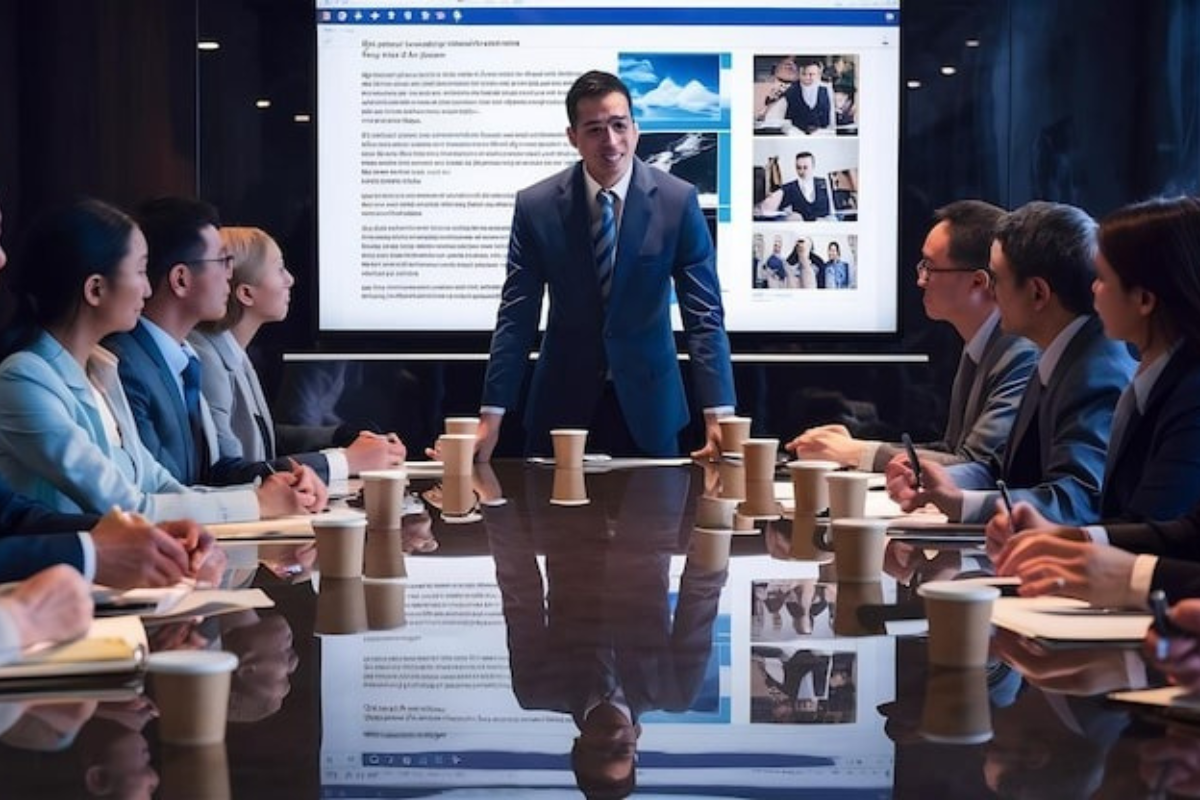
May 4, 2026
Better Planning, Better Results with Corporate Event Planning Services
Planning a successful business event takes more than just booking a venue and sending invites. With the help of corporate event planning services, companies can create smooth, engaging, and well-organized events that leave a lasting impression. Whether it’s a conference, seminar, or team gathering, proper planning ensures everything runs without stress or confusion.
Corporate events are important for building relationships, sharing ideas, and strengthening company culture. But without a clear plan, even small issues can quickly turn into major problems. That’s where structured planning and experienced professionals make a real difference.
The Value of Structured Event Planning
Every successful event starts with a clear plan. From defining goals to setting timelines, planning creates a strong foundation. It helps teams stay focused and ensures that nothing is overlooked.
A well-structured approach includes budgeting, scheduling, vendor coordination, and guest management. Each step connects with the next, forming a complete system that supports the event from start to finish. Without this structure, events can feel disorganized and rushed.
Professional planners bring experience and attention to detail. They understand what works and what doesn’t, helping businesses avoid common mistakes. With proper planning, companies can focus on their message instead of worrying about logistics.
Coordination That Keeps Everything on Track
Coordination is one of the most important parts of any corporate event. Multiple elements need to come together at the right time: venue setup, audio-visual equipment, catering, and guest arrivals.
Strong coordination ensures that every detail is handled smoothly. It also improves communication between teams, vendors, and stakeholders. This reduces confusion and keeps everyone aligned.
Experienced corporate meeting planners play a key role in this process. They manage timelines, oversee logistics, and ensure that every part of the event is ready when needed. Their involvement brings clarity and control to even the most complex events.
Smooth Execution from Start to Finish
Planning and coordination lead to successful execution. On the day of the event, everything needs to run as planned without delays or disruptions.
Execution involves managing schedules, guiding attendees, and solving unexpected issues quickly. Even with the best planning, small challenges can arise. Having a professional team on-site ensures these problems are handled without affecting the overall experience.
Companies like Global Event Services LLC understand the importance of seamless execution. Their experience helps ensure that every part of the event flows naturally, creating a positive experience for both hosts and attendees.
Managing Event Flow with Confidence
Event flow is about creating a smooth and logical sequence throughout the event. From registration to closing remarks, each segment should connect naturally with the next.
A well-managed flow keeps attendees engaged and avoids unnecessary downtime. It also ensures that speakers, presentations, and activities happen on schedule.
Professional planners design event flow with the audience in mind. They consider timing, transitions, and overall experience. This level of attention makes events feel organized and enjoyable rather than rushed or confusing.
With the support of corporate meeting planners, businesses can maintain consistency and professionalism throughout the event.
The Role of Expert Support
Having the right support team can make a big difference in event success. Professional planners bring skills, tools, and industry knowledge that help simplify complex tasks.
They handle vendor selection, manage contracts, and oversee event logistics. This reduces the workload on internal teams and allows businesses to focus on their core objectives.
Global Event Services LLC provides structured support that helps companies achieve better results. Their approach focuses on planning, coordination, and execution, ensuring that every event meets expectations.
Better Outcomes with Professional Services
Choosing corporate event planning services is not just about convenience—it’s about achieving better results. Well-planned events create stronger connections, improve brand image, and deliver clear messages.
Professional services help businesses stay organized, reduce stress, and avoid last-minute issues. They also bring creativity and fresh ideas, making events more engaging and memorable.
When every detail is managed properly, the overall experience improves for everyone involved. This leads to successful events that reflect professionalism and care.
FAQ Section
1. What is included in corporate event planning services?
It typically includes venue selection, budgeting, scheduling, vendor coordination, and on-site event management.
2. Are corporate meeting planners necessary for small events?
Yes, even small events benefit from professional planning to ensure smooth coordination and better organization.
3. Can event planners handle last-minute changes?
Experienced planners are trained to manage unexpected changes and keep the event running smoothly.
4. Do planning services help reduce event costs?
Yes, planners can help manage budgets effectively and avoid unnecessary expenses through better coordination.
5. Is it possible to customize event planning services?
Most services can be tailored based on event size, goals, and specific business requirements.
Recent Blogs
September 12, 2026
Why Businesses Hire Business Event Management Companies
September 5, 2026
Why Your Business Needs a Corporate Event Planning Service
August 28, 2026
Why Every Business Needs a Corporate Event Organizer
Start Building the Leadership Your Organization Deserves!

March 27, 2026
The Top Mistakes Companies Make Without a Professional Event Company
Business events play a vital role in achieving strategic goals, from client appreciation gatherings and product launches to large conferences and leadership retreats. However, organizations that attempt to manage these experiences without expert support often encounter avoidable challenges, wasted budgets, and underwhelming outcomes.
Working with an experienced team like Global Event Services LLC ensures smooth planning, strategic execution, and measurable success. Here are the most common mistakes companies make when handling events on their own.
1. Poor Budget Management
One of the biggest pitfalls is underestimating costs or allocating funds inefficiently. Without expert guidance, businesses may overspend in some areas while overlooking essential elements like audiovisual production, attendee engagement, or contingency planning. A skilled team brings clarity to budgeting, negotiates with vendors, and identifies cost-saving opportunities.
2. Ineffective Planning and Coordination
Events involve many moving parts, venues, catering, transportation, speakers, sponsorships, and technology. Without a structured approach, important details can be missed, leading to confusion and last-minute stress. Experienced planners rely on detailed timelines, checklists, and streamlined processes to keep everything on track.
3. Lack of Audience Engagement
Focusing only on logistics while neglecting the attendee experience is a common misstep. Without thoughtful design, sessions can feel static, and networking opportunities may fall flat. Professionals create interactive agendas, immersive environments, and tech-enabled solutions that keep participants engaged and invested.
4. Venue and Vendor Challenges
Choosing the right venue and service providers requires industry knowledge. Companies may select unsuitable locations, overlook technical limitations, or encounter hidden costs. Working with a corporate event company ensures access to trusted vendor networks, favorable contracts, and high-quality service delivery.
5. Minimal Post-Event Analysis
Many organizations fail to evaluate event performance. Without insights into attendance, engagement, and return on investment, it’s difficult to improve future initiatives. A professional team delivers detailed reports and actionable data to guide smarter decisions moving forward.
How Expert Event Teams Make a Difference
Partnering with experienced corporate event organizers helps businesses avoid these challenges by:
- Delivering end-to-end planning and execution
- Providing creative and innovative solutions
- Managing budgets and contracts efficiently
- Enhancing attendee engagement and experience
- Offering detailed post-event insights and reporting
The result is a seamless experience that strengthens your brand, supports business goals, and leaves a lasting impression on attendees.
Final Thoughts
Managing events without expert support can lead to unnecessary stress, inefficiencies, and missed opportunities. By partnering with a capable and experienced team, businesses can deliver impactful experiences that engage attendees, achieve objectives, and elevate their brand presence.
Frequently Asked Questions
01
What does an event management team do?
They handle every aspect of business events, including strategy, logistics, vendor coordination, on-site execution, and post-event evaluation.
02
How do experienced planners add value?
They bring industry expertise, strong vendor relationships, creative ideas, and operational efficiency to ensure successful outcomes.
03
Can hiring professionals save money?
Yes. They optimize budgets, negotiate contracts, and prevent costly mistakes—often leading to overall savings.
04
Do event planners manage hybrid or virtual formats?
Absolutely. Most skilled teams are equipped to handle in-person, hybrid, and fully virtual experiences.
05
How early should planning begin?
For large-scale events, starting 6–12 months in advance allows for better coordination, availability, and cost control.
Recent Blogs
September 12, 2026
Why Businesses Hire Business Event Management Companies
September 5, 2026
Why Your Business Needs a Corporate Event Planning Service
August 28, 2026
Why Every Business Needs a Corporate Event Organizer
Start Building the Leadership Your Organization Deserves!

March 6, 2026
Convention Management Services Designed for Modern Event Success
Large-scale conventions play a critical role in how organizations share knowledge, build communities, and strengthen their industries. As business environments become faster and more competitive, conventions are no longer simple gatherings; they are complex, high-stakes experiences that require precision, coordination, and strategic oversight. This is where convention management services become essential.
This article explains why conventions demand specialized planning, how modern solutions address today’s challenges, and the long-term value professional support brings to organizations hosting large events.
Why Conventions Need Specialized Planning
Conventions differ significantly from standard corporate meetings or social events. They involve large audiences, multiple content streams, and diverse stakeholders operating on tight schedules. Without a structured approach, even minor oversights can disrupt the entire experience.
Unlike smaller events, conventions require:
- Advanced planning timelines
- Coordination across multiple vendors and departments
- Consistent attendee experiences across several days
- Contingency plans for high-volume operations
Specialized planning ensures that all moving parts align seamlessly, from pre-event setup to post-event wrap-up.
What Makes Modern Conventions More Complex
Today’s conventions are more demanding than ever. Attendees expect smooth logistics, relevant content, and real-time communication. At the same time, organizers must manage increased operational pressure.
Common Challenges in Convention Management
- Scale: Thousands of attendees, speakers, and exhibitors
- Timelines: Overlapping sessions, tight changeovers, and fixed venue schedules
- Stakeholders: Sponsors, partners, speakers, vendors, and internal teams
- Technology: Registration systems, mobile apps, and data tracking
- Brand consistency: Delivering a unified experience across all touchpoints
These challenges require more than basic event coordination—they demand a centralized system and experienced oversight.
The Role of Professional Planning in Complex Conventions
Professional planning teams bring structure, clarity, and accountability to the convention process. Their role is to manage complexity without sacrificing quality or attendee satisfaction.
In large-scale conference event management, planners focus on aligning strategy with execution. This includes creating detailed workflows, managing dependencies, and ensuring every element supports the event’s goals.
Professional planning helps by:
- Establishing clear roles and responsibilities
- Anticipating risks before they escalate
- Coordinating vendors under one operational framework
- Maintaining schedule discipline across all functions
This level of organization allows leadership teams to focus on outcomes rather than logistics.
How Structured Management Improves Outcomes
Structured management systems bring order to complexity. By centralizing control and standardizing processes, organizers can deliver consistent, high-quality experiences.
Key Components of Successful Convention Execution
Venue Coordination
Managing large venues requires precise planning. This includes space allocation, room setups, signage placement, accessibility considerations, and compliance with safety regulations. Effective coordination ensures smooth transitions and avoids congestion.
Registration and Attendee Flow
Efficient registration sets the tone for the entire event. Structured systems manage check-in, badge distribution, crowd movement, and real-time attendance tracking—reducing wait times and confusion.
Speaker and Agenda Management
Conventions often feature dozens or hundreds of sessions. Managing speaker schedules, presentation requirements, rehearsals, and last-minute changes requires detailed coordination to keep programming on track.
On-Site Operations and Logistics
From staffing and equipment delivery to catering and technical support, on-site logistics must operate like a well-run operation center. Centralized oversight ensures issues are resolved quickly and consistently.
How Professional Support Reduces Risk and Improves Consistency
Large conventions carry inherent risks, including schedule disruptions, technical failures, and communication breakdowns. Professional support reduces these risks by applying proven systems and experience.
Key risk-reduction benefits include:
- Backup plans for critical operations
- Clear escalation paths for issue resolution
- Standard operating procedures for staff and vendors
- Real-time monitoring of event performance
Consistency is equally important. When every attendee touchpoint follows a unified plan, the event feels polished, reliable, and professional.
The Growing Expectations of Modern Convention Attendees
Today’s attendees expect more than just information—they expect a seamless experience. Convenience, clarity, and engagement are no longer optional.
Modern attendees value:
- Fast and intuitive registration
- Clear schedules and navigation
- Reliable session timing
- Professional on-site support
- Personalized and relevant content
Meeting these expectations requires thoughtful planning and the ability to adapt in real time—something structured management teams are designed to do.
Long-Term Value for Organizations Hosting Conventions
Investing in professional convention planning delivers value beyond a single event. Well-executed conventions strengthen brand reputation, build trust with stakeholders, and create repeat attendance.
Long-term benefits include:
- Improved operational efficiency for future events
- Better data insights for decision-making
- Stronger relationships with vendors and partners
- Increased attendee loyalty and satisfaction
Organizations that prioritize structured convention planning position themselves for sustainable growth and continued success.
Frequently Asked Questions
01
What are convention management services?
They are professional solutions that oversee the planning, coordination, and execution of large-scale conventions, ensuring all logistical, operational, and strategic elements work together smoothly.
02
How are conventions different from regular corporate events?
Conventions involve larger audiences, multiple sessions, more stakeholders, and higher operational complexity, requiring specialized systems and experienced coordination.
03
Why is professional support important for large conventions?
Professional support reduces risk, improves efficiency, and ensures consistent attendee experiences through structured planning and centralized control.
04
How does expert planning improve attendee experience?
Expert planning minimizes delays, improves communication, streamlines logistics, and ensures attendees can focus on content and networking rather than confusion or disruptions.
05
What should organizations look for in a convention management partner?
Organizations should seek experience with large-scale events, strong operational systems, clear communication processes, and the ability to adapt to complex environments.
Recent Blogs
September 12, 2026
Why Businesses Hire Business Event Management Companies
September 5, 2026
Why Your Business Needs a Corporate Event Planning Service
August 28, 2026
Why Every Business Needs a Corporate Event Organizer