
Author: globalEventAdmin

April 2, 2026
Conference Hotel Secrets Every Event Planner Should Know
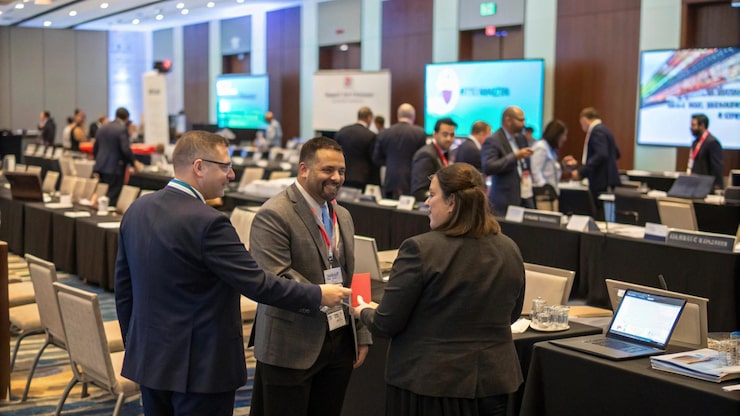
Planning a successful conference goes far beyond selecting a date and sending invitations. One of the most influential factors is the hotel you choose. The right venue shapes the entire attendee experience, impacts your budget, and directly affects the overall success of your event.
At Global Event Services LLC, we know that securing the ideal venue isn’t just about availability; it’s about strategy, relationships, and expertise. That’s where professional support makes all the difference.
Why Hotel Strategy Matters More Than You Think
Many organizations underestimate how complex hotel selection and contracting can be. From hidden fees to restrictive clauses, small oversights can quickly turn into costly challenges.
Our team specializes in managing conference hotel negotiations to ensure every detail, from pricing to perks, is aligned with your goals. Instead of navigating contracts alone, you gain a strategic partner who understands how to secure maximum value while protecting your investment.
Turning Hotel Contracts Into Strategic Advantages
A hotel is more than just a venue; it’s a key component of your event experience. The way contracts are structured can impact everything from attendee satisfaction to operational efficiency.
We help our clients:
- Secure competitive rates and added-value concessions
- Optimize meeting space layouts for better flow and engagement
- Eliminate or reduce hidden costs and unnecessary fees
- Build flexibility into contracts to accommodate changes
With the right approach, what might seem like a standard agreement becomes a powerful tool that enhances your entire event.
Enhancing the Attendee Experience
The success of any conference depends heavily on how attendees feel throughout the event. From seamless check-in experiences to comfortable meeting spaces and quality catering, every touchpoint matters.
Our team ensures that:
- Spaces are designed for both functionality and engagement
- Food and beverage experiences meet high expectations
- Technology and connectivity support modern event needs
- Every detail contributes to a polished, professional atmosphere
By focusing on the full attendee journey, we help create events that are not only efficient but memorable.
The Value of Industry Relationships
One of the biggest advantages of working with experienced planners is access to established relationships within the hospitality industry. These connections allow us to advocate for our clients more effectively and unlock opportunities that aren’t always available through direct booking.
As one of the trusted conference management companies, we leverage these relationships to:
- Negotiate better terms and added benefits
- Ensure priority service and responsiveness
- Resolve challenges quickly and efficiently
- Deliver a smoother, stress-free planning experience
Saving Time, Reducing Risk, Maximizing Impact
Managing a conference internally can place a significant burden on your team. From reviewing contracts to coordinating logistics, the process is time-consuming and complex.
By partnering with an experienced team, you gain:
- Expert oversight of every hotel and venue detail
- Reduced financial and operational risk
- More time to focus on your core business objectives
- Confidence that your event is executed flawlessly
Final Thoughts
A successful conference doesn’t happen by chance; it’s the result of strategic planning, expert negotiation, and meticulous execution. The hotel you choose plays a central role in that success, and how it’s managed can make all the difference.
By working with a professional team like Global Event Services LLC, you’re not just booking a venue, you’re investing in an elevated experience that reflects your brand, engages your audience, and delivers real results.
Let the experts handle the complexities so you can focus on what matters most: creating a powerful and impactful event.
Recent Blogs




Start Building the Leadership Your Organization Deserves!
March 27, 2026
5 Ways Corporate Event Planning Firms Boost Employee Engagement
Employee engagement is a key driver of organizational success. Engaged teams are more productive, motivated, and committed to company goals. Yet, many organizations struggle to maintain strong engagement, especially with larger or remote workforces. Strategic events, when managed by experienced corporate event planning firms, can effectively close this gap.
At Global Event Services LLC, we believe well-executed events go beyond simple gatherings; they create opportunities to inspire, connect, and energize teams while reinforcing workplace culture. Here are five impactful ways expert planners help elevate employee engagement.
1. Designing Meaningful Experiences
One of the most effective ways professionals boost engagement is by crafting experiences that truly resonate with attendees. Rather than routine meetings or predictable formats, skilled planners design interactive and memorable environments.
From leadership retreats to company-wide conferences, every element, content, activity, and atmosphere is tailored to align with team interests and organizational values. Activities like gamified workshops, breakout discussions, and team challenges help transform ordinary sessions into energizing experiences that leave employees feeling connected and inspired.
2. Leveraging Technology for Interaction
Modern events thrive on technology that enhances participation. Tools such as mobile apps, live polling, and interactive platforms make it easier for attendees to stay involved.
An experienced conference event planner integrates these tools seamlessly, enabling real-time feedback, Q&A sessions, and inclusive participation. Hybrid and virtual solutions also ensure that remote team members remain connected, creating a unified experience regardless of location.
3. Encouraging Recognition and Motivation
Recognizing achievements plays a powerful role in boosting morale. Events provide the perfect setting to celebrate milestones, highlight accomplishments, and show appreciation.
Professionally planned award ceremonies, recognition segments, and celebratory moments help employees feel valued. In addition, networking opportunities and peer recognition activities foster a supportive environment where appreciation becomes part of the culture.
4. Promoting Collaboration and Team Building
Strong engagement is built on collaboration and trust. Well-structured activities encourage employees to work together, communicate effectively, and build lasting relationships.
Interactive workshops, problem-solving challenges, and group sessions break down silos and encourage cross-team connections. These experiences not only strengthen teamwork but also contribute to a more cohesive and positive workplace environment.
5. Measuring Impact for Continuous Improvement
Successful events don’t end when attendees leave; they continue through insights and analysis. Tracking participation, gathering feedback, and evaluating outcomes are essential to improving future initiatives.
Experienced planners provide detailed reports that highlight what worked well and where improvements can be made. This data-driven approach ensures that each event becomes more effective, engaging, and aligned with employee expectations.
Bonus Tip: Reflecting Organizational Culture
A subtle but powerful factor in engagement is alignment with company culture. From branding and messaging to activities and tone, thoughtfully designed events reflect what the organization stands for.
When employees see their values represented and feel that their experience is prioritized, engagement naturally increases.
Frequently Asked Questions
- What services do professional event planners provide?
They handle everything from strategy and budgeting to logistics, vendor coordination, execution, and post-event evaluation. - How can planners improve employee engagement?
They design interactive sessions, team-building activities, recognition programs, and technology-driven experiences that encourage participation and connection. - Do they support virtual or hybrid formats?
Yes, most experienced teams manage in-person, hybrid, and fully virtual events with integrated digital tools and platforms. - Can engagement be measured after an event?
Absolutely. Feedback surveys, participation data, and performance insights help measure success and guide future improvements. - Why hire professionals for engagement initiatives?
They bring expertise, creativity, and operational efficiency, ensuring impactful experiences that align with organizational goals.
Final Thoughts
Employee engagement is essential for productivity, retention, and overall workplace satisfaction. Managing events without expert support can often result in missed opportunities and limited impact.
By partnering with experienced professionals, organizations can create meaningful experiences that strengthen relationships, boost morale, and foster long-term engagement, ultimately driving lasting success.
Recent Blogs
Start Building the Leadership Your Organization Deserves!

March 27, 2026
The Top Mistakes Companies Make Without a Professional Event Company
Business events play a vital role in achieving strategic goals, from client appreciation gatherings and product launches to large conferences and leadership retreats. However, organizations that attempt to manage these experiences without expert support often encounter avoidable challenges, wasted budgets, and underwhelming outcomes.
Working with an experienced team like Global Event Services LLC ensures smooth planning, strategic execution, and measurable success. Here are the most common mistakes companies make when handling events on their own.
1. Poor Budget Management
One of the biggest pitfalls is underestimating costs or allocating funds inefficiently. Without expert guidance, businesses may overspend in some areas while overlooking essential elements like audiovisual production, attendee engagement, or contingency planning. A skilled team brings clarity to budgeting, negotiates with vendors, and identifies cost-saving opportunities.
2. Ineffective Planning and Coordination
Events involve many moving parts, venues, catering, transportation, speakers, sponsorships, and technology. Without a structured approach, important details can be missed, leading to confusion and last-minute stress. Experienced planners rely on detailed timelines, checklists, and streamlined processes to keep everything on track.
3. Lack of Audience Engagement
Focusing only on logistics while neglecting the attendee experience is a common misstep. Without thoughtful design, sessions can feel static, and networking opportunities may fall flat. Professionals create interactive agendas, immersive environments, and tech-enabled solutions that keep participants engaged and invested.
4. Venue and Vendor Challenges
Choosing the right venue and service providers requires industry knowledge. Companies may select unsuitable locations, overlook technical limitations, or encounter hidden costs. Working with a corporate event company ensures access to trusted vendor networks, favorable contracts, and high-quality service delivery.
5. Minimal Post-Event Analysis
Many organizations fail to evaluate event performance. Without insights into attendance, engagement, and return on investment, it’s difficult to improve future initiatives. A professional team delivers detailed reports and actionable data to guide smarter decisions moving forward.
How Expert Event Teams Make a Difference
Partnering with experienced corporate event organizers helps businesses avoid these challenges by:
- Delivering end-to-end planning and execution
- Providing creative and innovative solutions
- Managing budgets and contracts efficiently
- Enhancing attendee engagement and experience
- Offering detailed post-event insights and reporting
The result is a seamless experience that strengthens your brand, supports business goals, and leaves a lasting impression on attendees.
Frequently Asked Questions
- What does an event management team do?
They handle every aspect of business events, including strategy, logistics, vendor coordination, on-site execution, and post-event evaluation. - How do experienced planners add value?
They bring industry expertise, strong vendor relationships, creative ideas, and operational efficiency to ensure successful outcomes. - Can hiring professionals save money?
Yes. They optimize budgets, negotiate contracts, and prevent costly mistakes—often leading to overall savings. - Do event planners manage hybrid or virtual formats?
Absolutely. Most skilled teams are equipped to handle in-person, hybrid, and fully virtual experiences. - How early should planning begin?
For large-scale events, starting 6–12 months in advance allows for better coordination, availability, and cost control.
Final Thoughts
Managing events without expert support can lead to unnecessary stress, inefficiencies, and missed opportunities. By partnering with a capable and experienced team, businesses can deliver impactful experiences that engage attendees, achieve objectives, and elevate their brand presence.
Recent Blogs
Start Building the Leadership Your Organization Deserves!

March 6, 2026
Conference Planning That Brings People and Purpose Together
Conferences have always been about more than gathering people in a room. At their best, they create moments of clarity, spark collaboration, and help organizations move forward with shared intent. Thoughtful planning is what turns a simple event into a meaningful experience, one that aligns people, goals, and outcomes in ways that last well beyond the closing session.
Below, we explore how intentional conference planning focuses on people and purpose, not just logistics, and why that approach matters more than ever.
1. What Makes a Conference Truly Meaningful?
A meaningful conference doesn’t happen by accident. While venues, schedules, and technology matter, the real value lies in how people feel, connect, and engage throughout the event.
When attendees arrive, they bring expectations, questions, and goals of their own. A well-planned conference anticipates these needs and creates space for learning, discussion, and shared understanding. It connects individual roles to the larger mission of the organization and gives participants a clear sense of why they are there.
Meaningful conferences also encourage interaction rather than passive participation. Through thoughtful session design, pacing, and opportunities to connect, events can foster trust and collaboration. The result is an experience that feels purposeful—not rushed, fragmented, or overwhelming.
2. Why Planning With Purpose Matters
Purpose-driven planning starts with clear intentions. What should attendees walk away knowing, feeling, or doing differently? When these questions guide decisions, every element of the event supports a larger goal.
This is where conference planning services play a critical role. Purposeful planning helps align organizational objectives with attendee expectations, ensuring that content, timing, and format work together rather than compete for attention. Instead of cramming too much into a limited agenda, planners help prioritize what truly matters.
Planning with purpose also reduces confusion. Clear communication before the event sets expectations, while structured agendas help attendees navigate the experience with confidence. When people understand how sessions connect to the overall mission, engagement naturally increases.
3. How Professional Support Shapes the Experience
Behind every smooth conference is a framework designed to support both strategy and humanity. Professional planning support touches many areas that directly influence how attendees experience the event.
Agenda flow and session timing determine energy levels and focus. Well-spaced sessions with intentional breaks allow people to absorb information and connect with others, rather than rushing from room to room.
Speaker and content coordination ensure that messages are consistent and relevant. When speakers understand the audience and the event’s goals, their contributions feel cohesive rather than disconnected.
The attendee journey, from registration to closing remarks, is another critical element. Engagement points such as networking opportunities, interactive sessions, and clear signage all contribute to a sense of ease and inclusion. Organizations often partner with meeting management companies to design these experiences thoughtfully, freeing internal teams to focus on relationships and outcomes rather than logistics.
4. The Role of Experience in Managing Complexity
Conferences are complex by nature. Multiple stakeholders, tight timelines, and high expectations can quickly create pressure for internal teams. Experience is what allows planning teams to manage this complexity calmly and efficiently.
Seasoned planners anticipate challenges before they arise. They understand how changes in one area—such as speaker availability or session length—can affect the entire program. This foresight helps maintain balance and prevents last-minute disruptions.
Experience also brings perspective. Having supported events of varying sizes and formats, professional teams can recommend approaches that have proven effective while adapting them to each organization’s unique culture. Companies like Global Event Services LLC are often brought in not just to execute tasks but to provide guidance that helps events stay focused, flexible, and aligned with their purpose.
5. Supporting Conferences Before, During, and After
Effective conference planning spans the entire event lifecycle, ensuring continuity and long-term value.
Pre-event preparation lays the foundation. This phase includes defining objectives, shaping agendas, coordinating speakers, and communicating clearly with attendees. Strong preparation reduces uncertainty and builds anticipation.
On-site coordination is where planning meets reality. Experienced teams manage logistics quietly in the background, allowing speakers and attendees to stay focused on the experience. When issues arise, they are handled quickly and professionally, minimizing disruption.
Post-event evaluation and improvement close the loop. Gathering feedback, reviewing outcomes, and identifying lessons learned help organizations refine future events. This phase transforms a single conference into an ongoing learning opportunity, strengthening long-term strategy and engagement.
Organizations that work with experienced partners, such as Global Event Services LLC. often find that this end-to-end support turns events into valuable milestones rather than isolated moments.
Frequently Asked Questions
1. What defines effective conference planning today?
Effective planning today balances strategy and empathy. It aligns clear goals with attendee needs, prioritizes meaningful engagement, and remains flexible in the face of change.
2. How does planning impact attendee engagement?
Thoughtful planning creates structure without rigidity. When sessions flow well and expectations are clear, attendees feel more comfortable participating, asking questions, and connecting with others.
3. Why is experience important when managing conferences?
Experience allows planners to anticipate challenges, coordinate multiple stakeholders, and adapt quickly. This reduces stress for internal teams and keeps the event aligned with its goals.
4. How do planning teams support events on-site?
On-site support includes managing schedules, coordinating speakers, addressing issues discreetly, and ensuring that the attendee experience remains smooth from start to finish.
5. What should organizations look for in a conference planning partner?
Organizations should look for partners who listen well, understand their goals, communicate clearly, and bring proven experience without overshadowing the organization’s own vision.
Recent Blogs
Start Building the Leadership Your Organization Deserves!

March 6, 2026
How Enterprise Meeting Management Improves Decision-Making
Meetings are where strategies are debated, priorities are set, and decisions that shape the future of an organization are made. Yet in many enterprises, meetings happen constantly without a clear structure, shared standards, or accountability. The result is not just wasted time, it’s delayed decisions, misalignment at leadership levels, and operational confusion.
This is where enterprise meeting management becomes a strategic advantage. Rather than focusing on calendars and logistics, this approach treats meetings as a governed business system that supports better decision-making, stronger leadership alignment, and long-term organizational clarity.
The Hidden Cost of Unmanaged Enterprise Meetings
Most organizations don’t realize how much unstructured meetings cost them. The issue isn’t the number of meetings; it’s the lack of consistency in how they are planned, run, and followed up.
Common problems include:
- Meetings without clear objectives or decision authority
- Inconsistent agendas and documentation across departments
- Repeated discussions with no resolution
- Decisions made informally and not communicated clearly
- No visibility into outcomes or performance
When meetings are unmanaged, decisions stall. Teams leave unsure of priorities, leaders lack reliable input, and execution slows down. Over time, this erodes trust in the meeting process itself, leading to disengagement and fragmented leadership.
From Scattered Discussions to Aligned Decisions
Large organizations often struggle with alignment because each department runs meetings differently. Finance, operations, sales, and executive leadership may all be discussing the same issues—but in different formats, with different data, and at different levels of authority.
Structured meeting systems address this by introducing standardized frameworks that guide how meetings function across the enterprise.
Why standardization matters
A consistent meeting framework helps organizations:
- Define clear meeting types (decision-making, informational, strategic)
- Establish roles such as decision owner, facilitator, and contributors
- Ensure agendas are outcome-focused, not discussion-focused
- Create a shared language around priorities and escalation
When meetings follow a common structure, leaders can trust that discussions are productive and decisions are intentional. This alignment reduces duplication, shortens decision cycles, and ensures that strategic goals flow consistently from the top down.
Turning Meeting Data Into Actionable Insights
One of the most overlooked aspects of meetings is the data they generate. Every meeting produces insights—decisions made, risks raised, actions assigned—but without a system, this information disappears into notes or inboxes.
Structured meeting management captures and organizes this data in a way leaders can actually use.
Examples of valuable meeting insights
- Decision timelines and bottlenecks
- Recurring issues that indicate systemic problems
- Accountability tracking for action items
- Participation patterns across teams or regions
By analyzing this information, leadership teams gain visibility into how decisions are made and where processes break down. Instead of relying on anecdotal feedback, executives can use real meeting insights to adjust strategy, improve governance, and allocate resources more effectively.
This is a fundamental shift, from meetings as isolated events to meetings as a source of enterprise intelligence.
Governance, Compliance, and Accountability Benefits
In regulated or complex organizations, meetings are often tied directly to compliance, risk management, and governance. Without structure, it becomes difficult to prove that decisions were made appropriately or that required oversight occurred.
A formal meeting system supports governance by:
- Documenting decision rationale and approvals
- Creating clear audit trails for key discussions
- Ensuring the right stakeholders are involved
- Aligning meetings with internal policies and controls
Accountability also improves when outcomes are tracked consistently. Action items are assigned clearly, deadlines are visible, and follow-up is built into the process. Over time, this reduces ambiguity and reinforces a culture where decisions lead to execution, not just conversation.
Building a Culture of Clarity and Accountability
Beyond process and data, structured meeting management shapes organizational culture. When meetings are purposeful and consistent, people show up prepared, engaged, and clear on their responsibilities.
This cultural shift includes:
- Fewer but more meaningful meetings
- Greater confidence in leadership decisions
- Reduced meeting fatigue and frustration
- Stronger cross-functional collaboration
Organizations that invest in meeting systems often see improvements far beyond individual sessions. Teams become more disciplined in how they communicate, leaders spend less time clarifying decisions, and execution becomes more predictable.
Some organizations work with providers such as Global Event Services LLC to help design and support enterprise-level meeting structures that align with governance requirements and leadership objectives, especially in complex or distributed environments.
Long-Term Organizational Impact
The real value of structured meetings is cumulative. Over time, organizations benefit from:
- Faster and higher-quality decision-making
- Improved leadership alignment across regions and functions
- Stronger institutional knowledge through documented outcomes
- Greater resilience during periods of change or growth
Unlike one-off initiatives or traditional convention planning services, enterprise-level meeting management focuses on repeatable systems that scale with the organization. It’s not about running a better meeting; it’s about building a better decision-making engine.
FAQs
1. What is enterprise meeting management?
It is a structured, organization-wide approach to designing, governing, and measuring meetings so they consistently support decision-making, alignment, and accountability across departments and leadership levels.
2. How does it improve decision-making at leadership levels?
By standardizing meeting formats, clarifying decision authority, and capturing outcomes, leaders gain clearer input, reduce delays, and make more informed, timely decisions.
3. How is it different from traditional event planning?
Traditional planning focuses on logistics and one-time events. Enterprise meeting management focuses on process, governance, and repeatable systems that improve how decisions are made over time.
4. Can this approach support large or multi-location organizations?
Yes. In fact, it is especially valuable for large or distributed organizations because it creates consistency, transparency, and alignment across regions, teams, and leadership layers.
5. What long-term benefits does structured meeting management provide?
Long-term benefits include improved operational clarity, stronger governance, reduced decision fatigue, better execution, and a culture where meetings drive real outcomes instead of ongoing discussion.
Recent Blogs
Start Building the Leadership Your Organization Deserves!

March 6, 2026
Convention Management Services Designed for Modern Event Success
Large-scale conventions play a critical role in how organizations share knowledge, build communities, and strengthen their industries. As business environments become faster and more competitive, conventions are no longer simple gatherings; they are complex, high-stakes experiences that require precision, coordination, and strategic oversight. This is where convention management services become essential.
This article explains why conventions demand specialized planning, how modern solutions address today’s challenges, and the long-term value professional support brings to organizations hosting large events.
Why Conventions Need Specialized Planning
Conventions differ significantly from standard corporate meetings or social events. They involve large audiences, multiple content streams, and diverse stakeholders operating on tight schedules. Without a structured approach, even minor oversights can disrupt the entire experience.
Unlike smaller events, conventions require:
- Advanced planning timelines
- Coordination across multiple vendors and departments
- Consistent attendee experiences across several days
- Contingency plans for high-volume operations
Specialized planning ensures that all moving parts align seamlessly, from pre-event setup to post-event wrap-up.
What Makes Modern Conventions More Complex
Today’s conventions are more demanding than ever. Attendees expect smooth logistics, relevant content, and real-time communication. At the same time, organizers must manage increased operational pressure.
Common Challenges in Convention Management
- Scale: Thousands of attendees, speakers, and exhibitors
- Timelines: Overlapping sessions, tight changeovers, and fixed venue schedules
- Stakeholders: Sponsors, partners, speakers, vendors, and internal teams
- Technology: Registration systems, mobile apps, and data tracking
- Brand consistency: Delivering a unified experience across all touchpoints
These challenges require more than basic event coordination—they demand a centralized system and experienced oversight.
The Role of Professional Planning in Complex Conventions
Professional planning teams bring structure, clarity, and accountability to the convention process. Their role is to manage complexity without sacrificing quality or attendee satisfaction.
In large-scale conference event management, planners focus on aligning strategy with execution. This includes creating detailed workflows, managing dependencies, and ensuring every element supports the event’s goals.
Professional planning helps by:
- Establishing clear roles and responsibilities
- Anticipating risks before they escalate
- Coordinating vendors under one operational framework
- Maintaining schedule discipline across all functions
This level of organization allows leadership teams to focus on outcomes rather than logistics.
How Structured Management Improves Outcomes
Structured management systems bring order to complexity. By centralizing control and standardizing processes, organizers can deliver consistent, high-quality experiences.
Key Components of Successful Convention Execution
Venue Coordination
Managing large venues requires precise planning. This includes space allocation, room setups, signage placement, accessibility considerations, and compliance with safety regulations. Effective coordination ensures smooth transitions and avoids congestion.
Registration and Attendee Flow
Efficient registration sets the tone for the entire event. Structured systems manage check-in, badge distribution, crowd movement, and real-time attendance tracking—reducing wait times and confusion.
Speaker and Agenda Management
Conventions often feature dozens or hundreds of sessions. Managing speaker schedules, presentation requirements, rehearsals, and last-minute changes requires detailed coordination to keep programming on track.
On-Site Operations and Logistics
From staffing and equipment delivery to catering and technical support, on-site logistics must operate like a well-run operation center. Centralized oversight ensures issues are resolved quickly and consistently.
How Professional Support Reduces Risk and Improves Consistency
Large conventions carry inherent risks, including schedule disruptions, technical failures, and communication breakdowns. Professional support reduces these risks by applying proven systems and experience.
Key risk-reduction benefits include:
- Backup plans for critical operations
- Clear escalation paths for issue resolution
- Standard operating procedures for staff and vendors
- Real-time monitoring of event performance
Consistency is equally important. When every attendee touchpoint follows a unified plan, the event feels polished, reliable, and professional.
The Growing Expectations of Modern Convention Attendees
Today’s attendees expect more than just information—they expect a seamless experience. Convenience, clarity, and engagement are no longer optional.
Modern attendees value:
- Fast and intuitive registration
- Clear schedules and navigation
- Reliable session timing
- Professional on-site support
- Personalized and relevant content
Meeting these expectations requires thoughtful planning and the ability to adapt in real time—something structured management teams are designed to do.
Long-Term Value for Organizations Hosting Conventions
Investing in professional convention planning delivers value beyond a single event. Well-executed conventions strengthen brand reputation, build trust with stakeholders, and create repeat attendance.
Long-term benefits include:
- Improved operational efficiency for future events
- Better data insights for decision-making
- Stronger relationships with vendors and partners
- Increased attendee loyalty and satisfaction
Organizations that prioritize structured convention planning position themselves for sustainable growth and continued success.
Frequently Asked Questions
1. What are convention management services?
They are professional solutions that oversee the planning, coordination, and execution of large-scale conventions, ensuring all logistical, operational, and strategic elements work together smoothly.
2. How are conventions different from regular corporate events?
Conventions involve larger audiences, multiple sessions, more stakeholders, and higher operational complexity, requiring specialized systems and experienced coordination.
3. Why is professional support important for large conventions?
Professional support reduces risk, improves efficiency, and ensures consistent attendee experiences through structured planning and centralized control.
4. How does expert planning improve attendee experience?
Expert planning minimizes delays, improves communication, streamlines logistics, and ensures attendees can focus on content and networking rather than confusion or disruptions.
5. What should organizations look for in a convention management partner?
Organizations should seek experience with large-scale events, strong operational systems, clear communication processes, and the ability to adapt to complex environments.
Recent Blogs
Start Building the Leadership Your Organization Deserves!

March 6, 2026
Choosing the Best Corporate Event Management Company Made Easy
Corporate events play a big role in how a business communicates, celebrates success, and builds relationships. From internal meetings to large conferences, a well-run event reflects professionalism and strengthens your brand. But planning these events isn’t always simple. That’s where the right event partner can make all the difference.

This beginner-friendly guide explains why choosing the right corporate event partner matters, the challenges of managing events in-house, and how professional support simplifies the entire process, from planning to post-event evaluation.
Why Choosing the Right Event Partner Matters
A corporate event is more than a date on the calendar. It represents your company’s goals, culture, and reputation. Choosing the best corporate event management company helps ensure that every detail supports those goals rather than distracting from them.
The right partner brings structure, experience, and calm to what can otherwise be a stressful process. Instead of juggling timelines, vendors, and last-minute changes, your internal team can stay focused on business priorities while experts handle the execution.
A reliable event partner also helps you:
- Avoid costly mistakes
- Deliver a consistent, professional experience
- Scale events smoothly as your business grows
Common Challenges of Managing Corporate Events Internally
Many businesses try to manage events with internal teams, especially at first. While this may seem cost-effective, it often leads to unexpected challenges.
Limited Time and Resources
Most internal teams already have full workloads. Event planning adds extra pressure, deadlines, and coordination tasks that can overwhelm staff.
Lack of Specialized Experience
Corporate events involve budgeting, negotiations, logistics, and contingency planning. Without prior experience, teams may overlook important details or underestimate timelines.
Vendor and Logistics Stress
Coordinating venues, caterers, audio-visual teams, and transportation can quickly become complex, especially when vendors change availability or requirements.
These challenges are why many companies eventually turn to professional support.
Core Responsibilities of a Professional Event Management Company
A professional event management company acts as the central point of coordination for your entire event. Their role is to manage the moving parts so nothing falls through the cracks.
Strategic Planning and Concept Development
They help define the purpose of the event, target audience, and overall structure, ensuring everything aligns with business objectives.
End-to-End Coordination
From the first planning meeting to the final wrap-up, professionals oversee each phase, keeping tasks on track and stakeholders informed.
Risk Management and Problem Solving
Experienced planners anticipate issues and prepare backup plans, reducing the impact of unexpected changes.
Companies like Global Event Services LLC often take a collaborative approach, working closely with internal teams while managing the technical and logistical details behind the scenes.
Planning, Budgeting, and Timeline Coordination
One of the biggest advantages of professional support is structured planning.
Budget Control
Event professionals help you:
- Set realistic budgets
- Track expenses clearly
- Prioritize spending where it matters most
They know where costs can be optimized without sacrificing quality.
Clear Timelines
Detailed timelines break the event into manageable phases, such as:
- Pre-event planning
- Vendor confirmations
- On-site setup
- Event day execution
This structure keeps everyone aligned and reduces last-minute stress.
Vendor, Venue, and Logistics Management
Handling vendors and logistics is often the most time-consuming part of event planning.
Venue Selection and Coordination
Professionals recommend venues that match your event size, format, and budget. They also manage contracts, layouts, and technical requirements.
Vendor Management
An experienced corporate meeting planner coordinates with caterers, production teams, decorators, and other suppliers to ensure smooth communication and accountability.
Logistics Oversight
This includes transportation schedules, registration flow, equipment setup, and contingency planning, all managed centrally for efficiency.
On-Site Execution and Post-Event Evaluation
The event day itself is where planning meets reality.
Seamless On-Site Management
Event professionals oversee:
- Set up and breakdown
- Vendor arrivals
- Run-of-show schedules
- Real-time problem solving
This allows company leaders and attendees to focus on the experience rather than logistics.
Post-Event Evaluation
After the event, professionals gather feedback, review outcomes, and assess performance against objectives. This evaluation helps improve future events and measure return on investment.
Frequently Asked Questions
1. What does a corporate event management company do?
They plan, coordinate, and execute corporate events from start to finish, managing budgets, vendors, logistics, and on-site operations.
2. How early should businesses start event planning?
For small events, planning often starts 2–3 months in advance. Larger or more complex events may require 6–12 months of preparation.
3. What should companies look for when comparing providers?
Look for experience with similar events, clear communication, transparent pricing, and a collaborative planning approach.
4. How do professionals handle last-minute changes?
They prepare backup plans, maintain strong vendor relationships, and adjust timelines quickly to minimize disruption.
5. Is hiring an event planner cost-effective for businesses?
Yes. Professional planning often prevents costly mistakes, saves internal time, and delivers better outcomes within budget.
Final Thoughts
Choosing the right corporate event partner isn’t just about outsourcing tasks—it’s about gaining expertise, structure, and peace of mind. With professional support, businesses can host impactful events that run smoothly, stay on budget, and leave a lasting impression.
By understanding the responsibilities of event professionals and the challenges they solve, companies can make informed decisions and build stronger, more successful corporate events every time.
Recent Blogs
Start Building the Leadership Your Organization Deserves!

November 13, 2025
Event Organizations
Lorem Ipsum has been the industry’s standard dummy text ever since the 1500s, when an unknown printer took a galley of
Recent Blogs